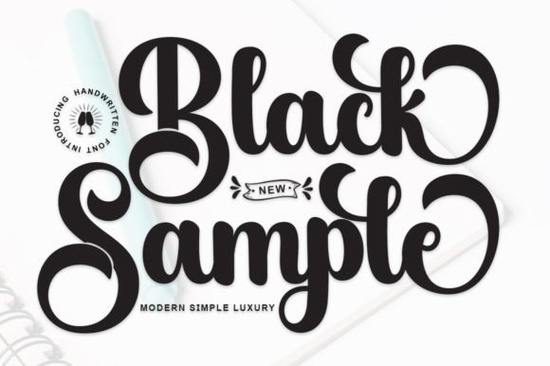
Finding the right script typeface for personal or commercial projects often comes down to balancing charm with readability. The Black Sample Font was created to bridge that gap, offering clean letterforms that hold their shape across different mediums. If you work on brand identity packages, handcraft physical invitations, or sell custom merchandise online, you need a lettering style that looks polished without overwhelming the layout. This particular calligraphy-inspired typeface focuses on smooth strokes and consistent spacing, which saves hours of manual kerning. You can apply it directly to packaging labels, storefront signage, or social media graphics, knowing the baseline will stay steady and professional.
What makes this calligraphy style suitable for wedding and branding projects?
Wedding stationery and boutique branding share one important requirement: they must feel personal while remaining highly legible. The sweeping terminals and balanced proportions in this script typeface help maintain that delicate balance. Unlike heavily decorated lettering that blurs at smaller sizes, these letterforms keep distinct shapes, which matters when printing RSVP cards or adding subtle watermarks to retail packaging. Small business owners often use it for custom candle labels and bakery boxes because the strokes print clearly even on uncoated or matte finishes. The consistent weight also ensures it translates well across both light and dark backgrounds.
When building a complete identity, testing a few reliable scripts in your toolkit prevents last-minute swaps that can delay client approvals. I often switch to alternatives like the Milkbutter Font when a layout needs softer, relaxed curves, or the Stay Wonderful Font if the brand leans toward modern romance. Having multiple options ready keeps your design workflow smooth and adaptable.
How do you adjust letter spacing for print versus digital use?
Script typography reacts differently depending on the final medium. On digital screens, high pixel density can sometimes make thin hairlines disappear, so increasing the size slightly usually keeps details crisp. For physical prints on textured paper or fabric, watch for ink spread that might merge adjacent loops. A quick test print on your exact stock will show whether the natural kerning holds up or if minor tracking adjustments are required.
Many crafters also convert letters to paths before sending files to a vinyl cutter or laser engraver. This conversion guarantees the machine follows every curve exactly as intended. If a layout feels visually crowded, swapping to a complementary style like the Little Love Font for secondary information creates clear hierarchy without adding clutter. Running a full-scale proof before finalizing exports consistently saves time and material.
Which pairings keep the layout clean and readable?
Start with a straightforward two-typeface rule. Reserve the script for headings, monograms, or short pull quotes, and pair it with a neutral sans-serif or slab serif for longer body text. This natural contrast guides the reader and makes dense information easier to scan. Stick to a restrained color palette and render the script in deep charcoal for formal documents or soft earth tones for casual product tags. When a project calls for a different mood, the Heart Style Font works well for lighthearted accents, while the Groovy Font introduces a nostalgic rhythm that still maintains clarity. Reviewing a curated Black Sample Font helps you understand how varying stroke weights interact on the same canvas.
What should you verify before sending files to production?
Print-on-demand platforms and commercial printers follow strict formatting guidelines. Always review the included license to confirm your exact usage rights for physical goods or digital templates. Remove hidden layers and outline the script text before exporting, or embed the font directly into your PDF to prevent automatic substitution by the print service.
- Check licensing coverage for your specific product type, whether it’s apparel, paper goods, or client deliverables.
- Convert text to outlines in your vector software to lock the shapes in place.
- Print a full-size sample on the intended material to catch ink bleed or lost details.
- Maintain strong contrast so delicate swashes remain visible across all screens and lighting.
Before moving to production, open your finished artwork on a secondary monitor and step back to view it at arm’s length. If the loops, ascenders, and connecting strokes still look distinct, your file is ready for the print queue. Always keep an editable master document with live text layers backed up on a separate drive, just in case you need to resize the artwork for a different product format later.
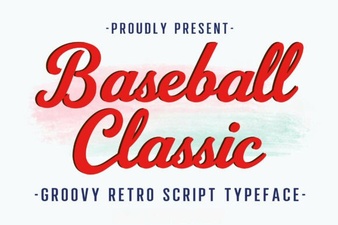 Stylish Baseball Fonts for Sports Design Projects
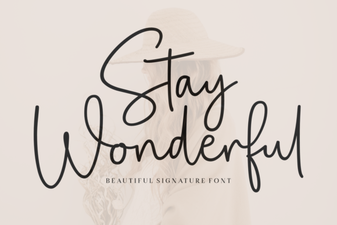 Stay Wonderful Font: Design Tips & Creative Uses
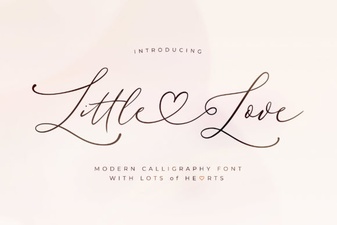 The Little Love Font: Perfect for Handcrafted Projects
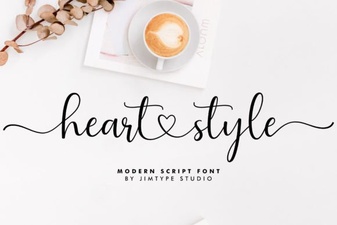 Crafting Beautiful Text with Heart Style Fonts
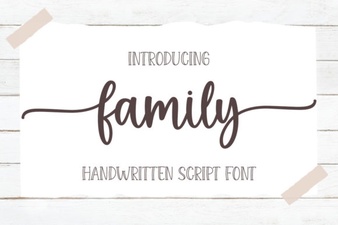 Crafting Family Fonts for Creative Projects
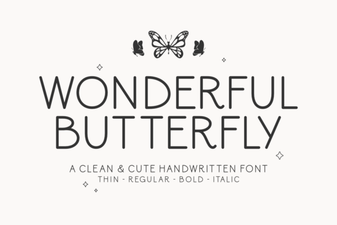 Wonderful Butterfly Font for Unique & Creative Design Projects