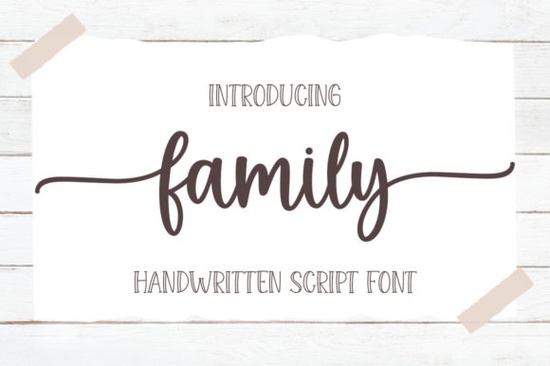
How does this script actually look on finished products?
When you test it on real materials, the thin strokes and gentle curves hold up well across different surfaces. It works naturally on wedding stationery, boutique packaging, and apparel tags. The refined alternates let you adjust specific letters so layouts never feel repetitive. Pair it with clean sans serifs to keep hierarchy balanced, or use it alone for minimalist logos. Independent makers often mix it with simple geometric icons to maintain a cohesive, structured brand identity.
Why does the PUA encoding matter for everyday design work?
Many crafters skip technical details until missing characters break their layout. This typeface includes PUA encoding, which simply places all decorative letters, tail variations, and connecting ligatures in accessible positions within your software menu. You do not need advanced glyph panels or coding skills. Open your character map, pick the swash, and type it directly into your canvas. This saves time when preparing bulk orders or formatting social media graphics.
Which alternative typefaces work well alongside it?
Building a cohesive layout often requires testing complementary options before finalizing your design. If you need a lighter touch for floral backgrounds, delicate calligraphy styles that pair well with botanical layouts add a soft layer. For heavier contrast on posters or storefront signs, exploring bolder display options for contrasting elements balances visual weight. Seasonal collections benefit from retro athletic lettering for vintage themes, while sweet and rounded scripts for packaging projects suit bakery labels. Review the main script typeface discussed here again to compare how each set behaves on your mockups.
How do I avoid common spacing mistakes with handwritten styles?
Script typefaces often look crowded when kerning is ignored, especially on printed materials. Start by setting your baseline grid first, then adjust tracking to around 10 to 30 units. Avoid stretching letters horizontally, as that distorts the natural stroke weight. If a word looks too dense, break it into two lines using natural word breaks or replace a tight cluster with a simpler alternate from the ligature set. Testing your design on a physical proof always reveals spacing issues screen views hide.
What should I check before sending files to print or upload them online?
Before finalizing, run a quick review to catch small errors customers notice first. Print platforms rely on high-contrast files, so verify thin strokes remain visible after export. Convert text to outlines only after locking the layout, keeping an editable backup for color changes. Embed the font or export as a vector PDF to prevent substitution across different programs.
Quick checklist before publishing or printing:
- Preview your design at 100% scale to check stroke thickness and readability.
- Replace default ligatures with manual alternates if any letters overlap awkwardly.
- Export as a high-resolution PNG or PDF/X-1a depending on your printer’s requirements.
- Test a single physical sample to verify color accuracy and fabric transfer quality.
- Keep a plain text backup of all your wording to speed up future edits.
If you want to see how this script performs alongside other modern handwriting styles, you can explore the Family Font search page for updated versions and matching design bundles. Save your favorite character combinations as style presets so you can reuse them across seasonal collections without starting from scratch.
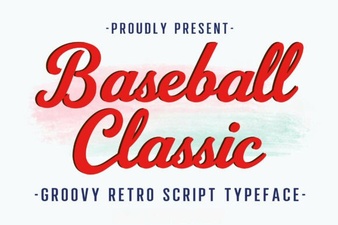 Stylish Baseball Fonts for Sports Design Projects
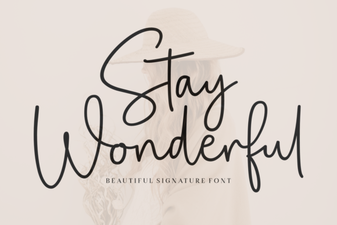 Stay Wonderful Font: Design Tips & Creative Uses
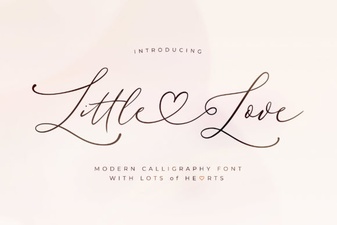 The Little Love Font: Perfect for Handcrafted Projects
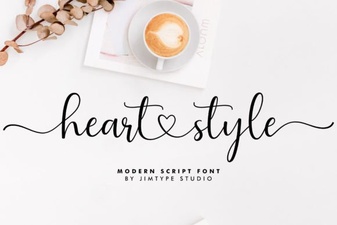 Crafting Beautiful Text with Heart Style Fonts
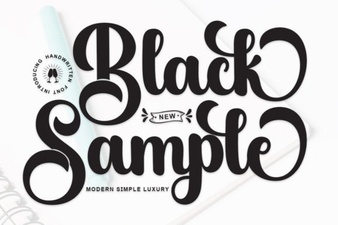 Black Font Samples for Modern Design Projects
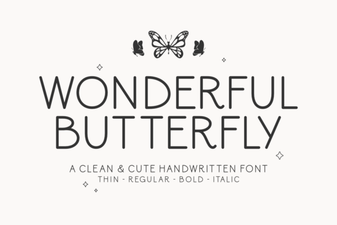 Wonderful Butterfly Font for Unique & Creative Design Projects