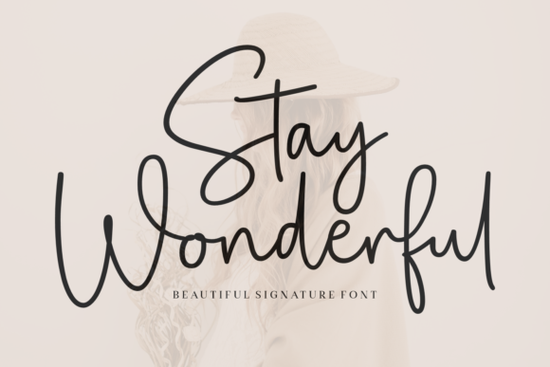
When you need a lightweight handwritten typeface that keeps your layouts airy and elegant, Stay Wonderful Font delivers exactly that without overwhelming the page. This thin script style relies on smooth, well-rounded strokes that maintain clarity even at smaller sizes. Whether you are formatting wedding invitations, branding a boutique product line, or designing social media graphics for a small shop, having a reliable script asset in your toolkit saves hours of trial and error. You will notice how the delicate letterforms sit comfortably beside bold sans-serifs or rustic display faces, giving your projects a balanced visual hierarchy.
What makes this handwritten style work for everyday projects?
The main advantage lies in its consistent stroke weight. Many thin scripts suffer from uneven spacing or jagged curves that break apart when scaled down. This particular font avoids those pitfalls by using closed loops and uniform baseline alignment that guide the eye naturally across each line. Crafters and print-on-demand sellers often pair it with minimalist layouts to let the negative space breathe. If you prefer slightly thicker alternatives for high-contrast branding, you can explore options like the Hello Honey typeface, which shares a similar organic rhythm but adds more weight to the downstrokes. Both options work well when you need readability across digital screens and physical prints, and you can browse our dedicated script collection page to compare file types before downloading.
How do you pair thin script typefaces with heavier display fonts?
Typography pairing comes down to contrast. Because the letters are so delicate, you should match them with sturdy, geometric sans-serifs or bold serifs to create a clear focal point. For example, place the script as an accent line for headings, then use a clean, readable body font for the supporting text. Avoid stacking it next to other ultra-thin scripts, as they will compete for attention instead of complementing each other. If your project needs a vintage sports or collegiate vibe, the Baseball Classic option offers a structured contrast that pairs nicely with airy lettering in layered poster designs. Remember to test your combinations on actual mockups before finalizing, since screen rendering often differs from printed output. You can also review additional layout examples in our sports typography guide for practical placement tips.
Which design formats handle delicate lettering best?
Vector-based files like SVG and EPS preserve the sharp edges and smooth curves of thin strokes at any resolution. This makes them ideal for cutting machines, large-format banners, and high-quality merchandise tags. If you are working in raster editors, always export at 300 DPI to prevent pixelation along the tapered edges. Handwritten fonts also benefit from generous line height and letter spacing. Cramping the tracking will cause the rounded terminals to overlap, which ruins readability. Creators who sell digital templates often lock the script layer and set it to multiply blend mode when placing over textured backgrounds, which keeps the original file intact while adjusting contrast. For more fluid, conversational layouts, the Milk Butter collection provides a looser spacing alternative that maintains that hand-drawn feel without sacrificing structure. Check our texture pairing recommendations to see how these styles react to different backgrounds.
What should beginners know before downloading script assets?
Installation and licensing are straightforward once you understand file organization. Always extract the archive first, then drag the .otf or .ttf file into your system font manager before opening your design software. This prevents missing font errors during export. Check the license terms for commercial use, especially if you plan to print physical goods or sell templates online. Many creators assume personal licenses cover storefront branding, but that often violates standard terms. Testing the font across different sizes early on will save you from last-minute adjustments. You can also browse the broader matching script families to see italics or bold variants that expand your design options without buying multiple standalone styles. For additional typography guidelines and industry standards, you can reference the Stay Wonderful font documentation to verify file compatibility and usage rights.
Quick checklist before you finalize your design
- Install the font system-wide and restart your design application.
- Set tracking between 10 and 20 to keep rounded letters from overlapping.
- Export at 300 DPI for print and 72–96 DPI for web.
- Test on a light and dark background to ensure legibility.
- Verify commercial licensing matches your intended product type.
- Save a vector copy before scaling or sending to a print vendor.
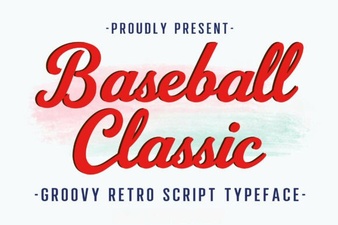 Stylish Baseball Fonts for Sports Design Projects
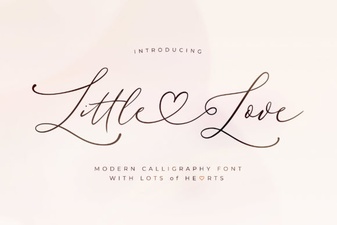 The Little Love Font: Perfect for Handcrafted Projects
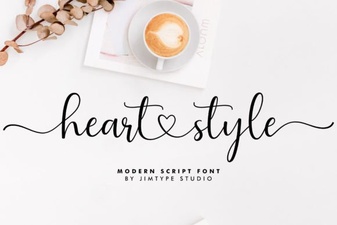 Crafting Beautiful Text with Heart Style Fonts
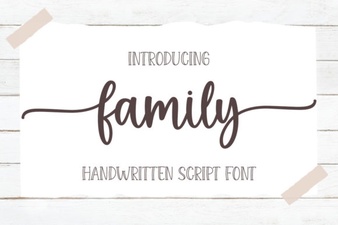 Crafting Family Fonts for Creative Projects
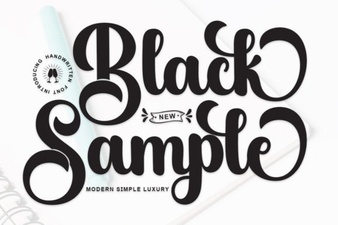 Black Font Samples for Modern Design Projects
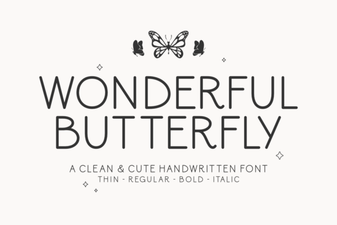 Wonderful Butterfly Font for Unique & Creative Design Projects