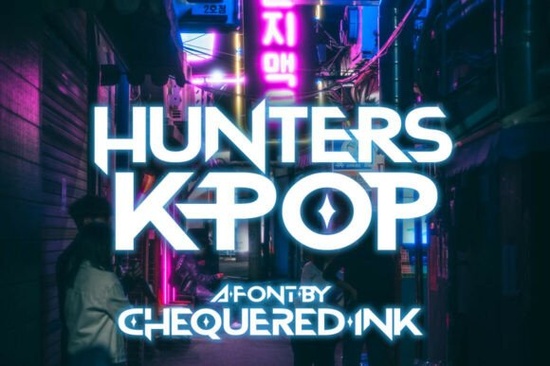
If you need a typeface that captures the sharp, high-energy feel of modern Korean pop culture, Hunters K-pop Font gives you a clean starting point. The design relies on straight lines, geometric cuts, and negative space inside the letters to create a futuristic edge. That visual approach matches electronic music visuals, gaming overlays, and streetwear branding without relying on heavy decoration.
What visual details make this typeface work for music and streaming projects?
The core of this design sits in its angular structure and intentionally missing counters. Those cutouts give each letter a stencil-like quality that feels intentional rather than messy. When you use it for album covers or stream overlays, the text holds up well even when scaled down or placed over busy backgrounds. Small business owners selling digital bundles or physical prints will notice that the characters align easily on a grid, which saves time during layout adjustments.
If you plan to use this style for video game thumbnails or promotional banners, test the letter spacing first. Tight tracking can make the sharp edges feel crowded, while a small amount of breathing room helps the negative space read clearly. Pairing it with a neutral sans-serif for body copy keeps the focus where it belongs.
Which real-world projects benefit most from this display style?
Creators working in fast-moving niches need typography that grabs attention quickly. This typeface works well when you need a strong headline that does not fight with colorful backgrounds. Common use cases include:
- Merchandise mockups for apparel and phone cases
- Thumbnail titles for music reviews and playlist covers
- Packaging text for indie labels
- Stream alerts and channel overlay text boxes
- Event flyers for DJ sets and local showcases
Print-on-demand sellers should keep the final file in high resolution and check how the cutouts render on different materials. Fabric prints sometimes fill in small gaps, so a quick test print on a sample item helps you avoid surprises. Crafters making custom vinyl stickers or laser-cut signs should also adjust stroke width settings to prevent the sharp corners from tearing during weeding or cutting.
How do you balance bold letterforms with cleaner secondary fonts?
A heavy display face needs quiet partners to keep your layouts from feeling overwhelming. When building a multi-font system, consider pairing this typeface with rounded or softer options. For example, the Harlow Chunky style brings a grounded presence that contrasts nicely with sharp geometry. If your project needs a more organic touch, the Summer Flower design introduces gentle curves that soften the overall composition.
When working with retro themes, the Grinched 20 alternative adds a weathered edge without competing with your main headline. For playful layouts aimed at younger audiences, the Wiggle Whistle option introduces movement that balances rigid lines. If your brand leans toward lifestyle themes, the Girly Pop selection offers clean spacing that works well for subheadings. Limit yourself to two families and let each serve a specific role in your visual hierarchy.
What technical steps ensure clean output across different platforms?
Before finalizing any commercial design, verify that your software supports the file format you choose. Most creators prefer standard vector formats because they scale cleanly across major design platforms. When exporting for web use, check that the anti-aliasing settings do not blur the small cutouts. For print jobs, convert text to outlines only after you finish editing, and keep an editable version saved separately.
Color choices also impact readability. Checking your color contrast ratios before publishing prevents accessibility issues on social media feeds. Stark white text on black backgrounds delivers the highest visibility, but muted accents work if you adjust brightness first. Always preview your design at one hundred percent zoom to catch spacing issues before publishing. If you notice jagged edges on diagonal lines, add a slight stroke to maintain crispness. Hobbyists using free layout tools should export at three hundred DPI to avoid pixelation on digital thumbnails.
Quick checklist before publishing or sending to print:
- Test letter spacing with tracking adjustments between zero and plus twenty
- Preview the layout at full size and mobile scale to check cutout visibility
- Convert text to paths for print files, but keep an editable backup
- Verify licensing terms cover your specific commercial use case
- Export a proof file to review on a different screen before finalizing
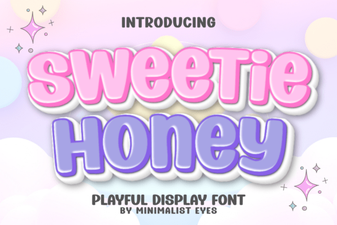 Sweetie Honey Font: Crafting Whimsical Designs
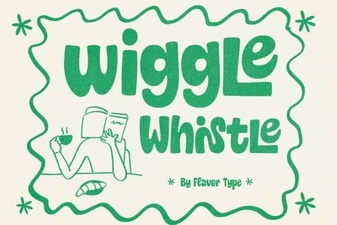 Design a Fun Font with Wiggle Whistle
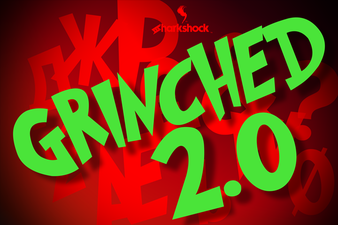 Grinched 2.0 Font: Holiday Design Projects & Ideas
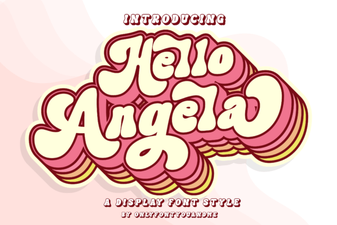 Hello Angela Font for Creative Projects & Web Design
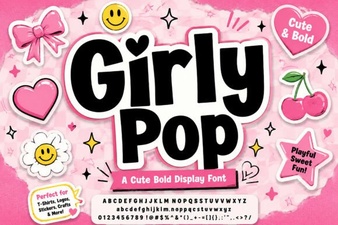 Girly Pop Fonts for Creative Projects and Fun Designs
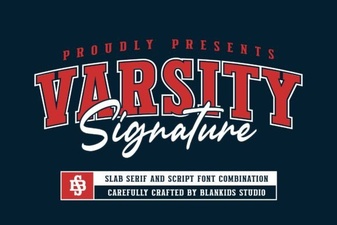 Varsity Signature Font: Design Ideas & Usage Tips