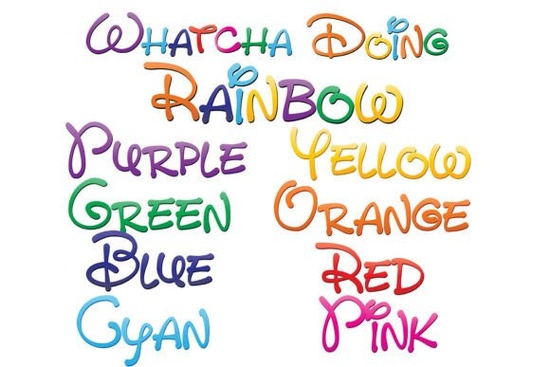
If you are looking for a quick way to add bright, hand-drawn lettering to your projects, the Whatcha Doing Font collection gives you nine ready-to-use rainbow typefaces in one download. Instead of spending hours creating gradients by hand, you simply type your text and let the built-in SVG coloring do the work. You can browse the available styles and download options at this dedicated gallery to pick the variation that matches your current mood or brand palette.
Will my current software actually display the rainbow colors?
Full-color OpenType SVG typefaces work differently than standard black-and-white fonts. Programs like Adobe Illustrator, Photoshop, QuarkXPress, Inkscape, and Silhouette Studio have built-in support for these vector color files, so the gradient lettering appears exactly as previewed. If your design tool does not support SVG color yet, the letters will simply render in solid black. This is completely normal and will not break your layout. You can still export the file, and the color will appear once it is opened in a compatible viewer or uploaded to a print platform that handles advanced typography correctly.
How do I install these full-color typefaces on my computer?
The installation process is identical to standard .otf files. On macOS, double-click the downloaded file and use the preview window to click Install, or drag the files directly into FontBook. Windows users can right-click the font file and select Install, or drop them into your system Fonts folder. Many designers prefer using third-party font managers like Suitcase Fusion or FontBase to organize large libraries and avoid system clutter. Once installed, the typeface will appear in your program’s font dropdown under its exact name. Keep in mind that the color preview window in some software might initially show black placeholders, but the moment you click and start typing inside your actual canvas, the rainbow gradient will render in full color.
What kind of projects benefit most from whimsical color typography?
Crafters, print-on-demand sellers, and creative hobbyists use vibrant lettering to make product listings stand out in crowded marketplaces. The vector-based structure means you can scale the text for large posters or shrink it for stickers without any pixelation or blurring. Because the gradient is baked into the font file, you skip complex layer masks and clipping paths. This saves hours during tight production deadlines for small businesses. You might use it for greeting card covers, nursery wall art, custom tote bags, or seasonal social media graphics. The playful, handwritten print style pairs well with clean photography, minimalist backgrounds, and simple line illustrations. For official usage guidelines, visit the Whatcha Doing Font reference page.
How can I keep my text readable while using vibrant gradients?
Colorful type catches attention quickly, but it can clash with busy backgrounds if not placed carefully. Follow a few simple spacing and contrast rules to maintain clarity. First, leave plenty of negative space around your lettering so the rainbow transitions can breathe. Second, avoid placing gradient text over multi-colored images or heavily textured patterns. A solid white, cream, or muted pastel backdrop usually provides the cleanest contrast. You can also pair the main phrase with a neutral sans-serif for subtitles, which keeps the layout grounded. Since the ninth variation in the set blends all eight gradients together, use that option sparingly for short headings or accent words rather than long paragraphs. Testing your design on both light and dark screens before final export helps you catch readability issues early.
Ready to add vibrant lettering to your next project?
Once you have verified the output, you can safely upload to your store or share with clients. Adding ready-made color type to your workflow removes repetitive design steps, giving you more time to focus on product photography, marketing, and audience engagement. Before you finalize your files, run through this quick preparation checklist to avoid common formatting pitfalls and ensure smooth printing.
- Confirm your design software lists SVG color font support in the official documentation.
- Outline or rasterize the text only after you have saved an editable master copy, just in case you need to tweak the wording later.
- Check commercial licensing terms carefully, especially when selling physical goods or digital templates.
- Export your artwork in PDF, PNG, or SVG format depending on your manufacturer’s requirements.
- Print a single test copy to verify color accuracy on your chosen paper or fabric stock.
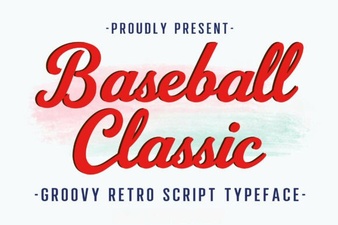 Stylish Baseball Fonts for Sports Design Projects
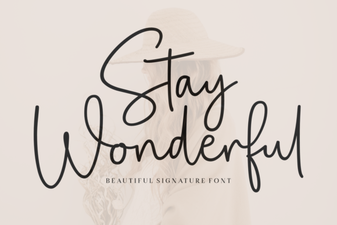 Stay Wonderful Font: Design Tips & Creative Uses
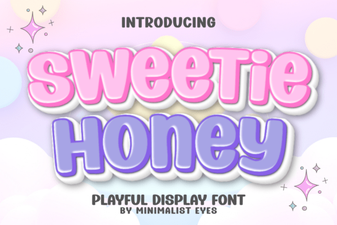 Sweetie Honey Font: Crafting Whimsical Designs
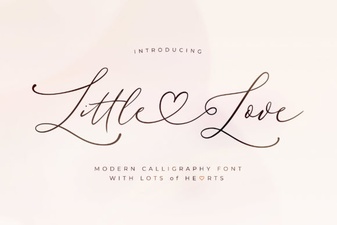 The Little Love Font: Perfect for Handcrafted Projects
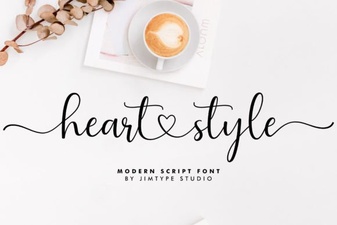 Crafting Beautiful Text with Heart Style Fonts
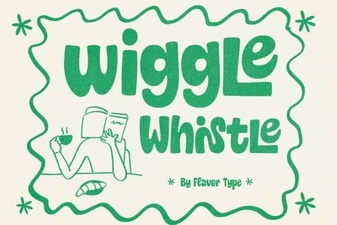 Design a Fun Font with Wiggle Whistle