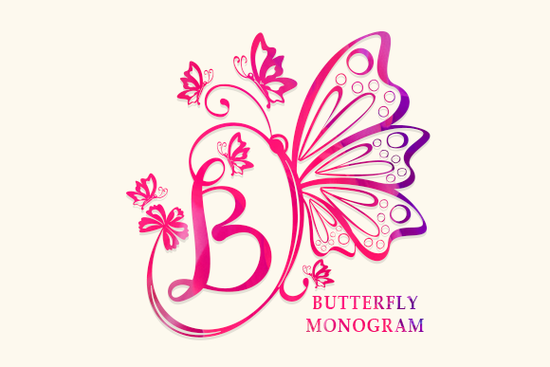
If you need a typeface that brings instant elegance to wedding suites, boutique branding, or handmade cards, the Butterfly Monogram Font delivers exactly that. This decorative script combines flowing letterforms with delicate ornamental details, giving your layouts a handcrafted, authentic feel without the hassle of drawing flourishes from scratch. Whether you are designing printable invitations, setting up a small shop, or creating social media graphics for a lifestyle brand, this font handles the heavy lifting so you can focus on layout and color.
What makes this decorative font stand out for wedding and stationery projects?
Ornate typefaces can easily look cluttered if the details fight for attention. This design avoids that trap by keeping the core letterforms clean while letting the decorative elements sit naturally around the characters. The result is a balanced monogram style that reads well at both large display sizes and smaller accent placements. You will notice how the curves maintain consistent weight, which helps when printing on textured cardstock or foiling delicate details.
For stationery work, the built-in ornaments save time. Instead of hunting for separate vector flourishes, you can type your initials or names and let the font handle the framing. This works especially well for:
- Wedding invitations that need a romantic, polished header
- Thank you cards and place settings with personalized initials
- Boutique packaging labels that require a soft, hand-drawn aesthetic
- Social media quotes where readability and style need to coexist
If you enjoy experimenting with different decorative styles, you might also want to browse how other ornamental lettering sets handle spacing and ligature placement. Comparing a few options helps you pick the right weight and flourish density for your specific paper or digital canvas.
How can small businesses and crafters use it effectively?
Print-on-demand sellers and makers need typefaces that scale cleanly across products. This font works well on cards, mugs, and digital planners because the vector paths stay sharp at any size. Keep backgrounds simple and add generous padding around the text block. Muted colors or soft pastels usually complement the intricate details without overwhelming them.
For cutting machine projects, convert text to outlines before exporting. This preserves ornamental paths and prevents missing glyphs. If you are layering vinyl, test a small sample first. Delicate swashes can weed poorly on thick material, so use light tack transfer tape and a slower cut speed.
Pair this monogram style with a clean sans serif or straightforward serif for body text. The contrast keeps layouts readable while letting the decorative font lead. If you want a playful alternative for casual branding, you could also explore how a hand-drawn crayon style changes the overall mood. Switching between elegant and whimsical typefaces gives your shop more flexibility.
Which file formats and licensing details should you check before downloading?
Most decorative fonts include standard desktop files, but always verify formats before starting client work. Look for OTF and TTF versions for cross-platform compatibility. Check whether a commercial extension is included if you plan to sell physical goods or digital templates. Reading the license details early prevents unexpected restrictions later.
Open the glyph panel in your design software to locate alternate characters and hidden swashes. Mapping these out early helps you build a consistent style guide. You can also grab the Butterfly Monogram Font directly from the marketplace to review the full character set and usage terms.
What should you watch out for when working with ornate letterforms?
Ornate letterforms require a few practical adjustments. Turn on optical kerning and nudge overlapping pairs by hand. Keep line height generous if you stack words, and avoid all caps unless alternates are provided. These styles work best for short phrases, initials, or headlines rather than long paragraphs.
Color choice matters more than you might expect. Dark charcoal, deep navy, or muted gold render better than pure black, which can make thin lines look harsh. For web graphics, export as PNG or SVG with transparent backgrounds. For print, convert to CMYK and run a test sheet on your actual paper stock before the final run.
Before starting your layout, run through this quick setup checklist:
- Install both OTF and TTF files and restart your design software
- Open the glyph panel to locate hidden swashes and punctuation alternates
- Set kerning to optical and adjust overlapping letters manually
- Verify commercial licensing if you plan to sell physical or digital products
Test spacing, color, and background texture early. Small adjustments make a noticeable difference with decorative monogram styles, and a quick proof will save you time during final export.
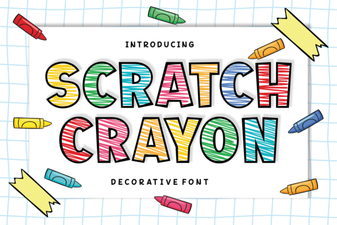 Scratch Crayon Font for Creative Digital Projects
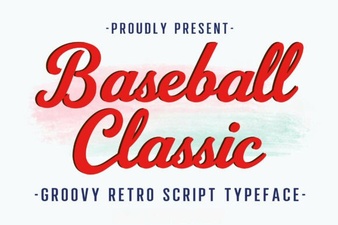 Stylish Baseball Fonts for Sports Design Projects
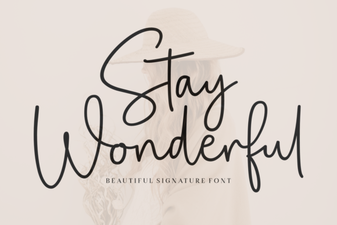 Stay Wonderful Font: Design Tips & Creative Uses
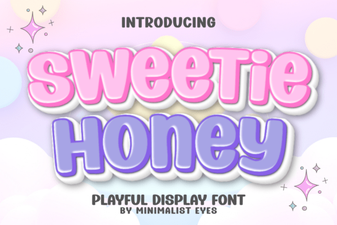 Sweetie Honey Font: Crafting Whimsical Designs
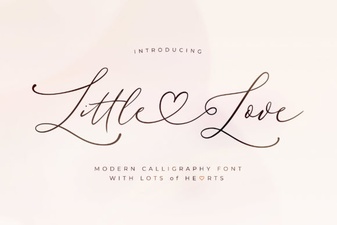 The Little Love Font: Perfect for Handcrafted Projects
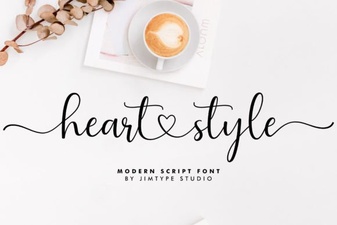 Crafting Beautiful Text with Heart Style Fonts