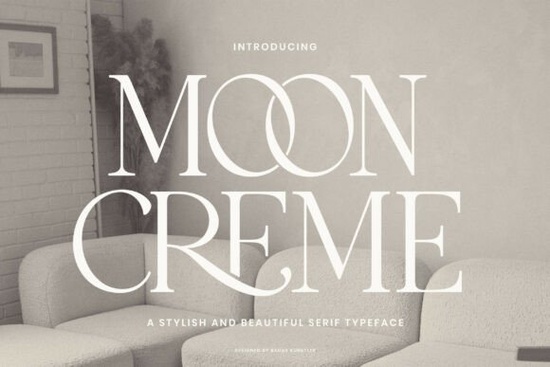
If you are looking for a typeface that balances classic readability with a subtle nostalgic feel, Moon Creme Font delivers exactly that. The letterforms carry a polished serif structure that feels both established and fresh, making it a reliable choice for branding, packaging, and editorial layouts. Instead of leaning into distressed textures or overly decorative curves, it focuses on clean proportions and refined terminals that stay legible at different sizes.
Why do vintage and modern brands prefer this serif typeface?
Many designers reach for this style because it bridges old-world charm and contemporary standards. The subtle variations in stroke weight give the characters a gentle rhythm, while the open counters ensure text remains easy to scan on screens and paper. Small business owners appreciate how it lends a premium look to coffee labels, bakery menus, and boutique tags without feeling stiff. Crafters also find that the clean edges translate well to vinyl cutouts, where overly thin serifs might snap during weeding.
How should I pair it with other lettering for balanced layouts?
Successful typography relies on contrast and spacing. When you use this serif for headlines or short quotes, pair it with a neutral sans serif for body text to keep the visual hierarchy clear. Avoid matching it with another display font, as competing styles quickly clutter the page. For projects that lean into a nostalgic aesthetic, you might explore styles that mimic mechanical typewriter impressions for a subtle accent, but keep those secondary elements light. Reserve the main typeface for the elements that need the most attention.
What print-on-demand items work best with this design?
The versatility of refined serif lettering shines across a wide range of merchandise. Apparel designs, tote bags, and wall art often benefit from shorter, centered text blocks where the details can truly stand out. Since the letterforms carry quiet sophistication, they pair naturally with minimalist graphics or simple geometric shapes. POD sellers should test different color combinations before finalizing a listing. You can also browse other polished typefaces for inspiration when building cohesive product collections.
Can I use this typeface for web and print projects?
The package typically includes both desktop and web-ready files, covering most standard workflows. For digital use, you can load the WOFF versions into your site stylesheets or web design platforms that allow custom uploads. Print applications like business cards, posters, and packaging benefit from the OTF or TTF files, which retain crisp edges at high resolutions. When preparing materials for a print-on-demand supplier, always outline or embed the typeface to prevent substitution issues during production.
How do I prepare the files for cutting machines and printing?
If you run a craft business or create custom labels at home, preparing vector-ready files is essential. After typing your layout, convert the text to outlines so the serifs lock into fixed paths. Check the spacing between characters at actual size, especially when working with thin vinyl or cardstock. Set your cutting software to the appropriate blade depth based on material thickness. For hobbyists who prefer straightforward layouts, visiting the dedicated gallery page shows how others structure templates before cutting.
Quick checklist before finalizing your project:
- Verify commercial licensing before selling physical or digital goods.
- Test readability at 50% and 100% scale to ensure serifs stay clear.
- Outline your text before sending files to printers or POD systems.
- Limit your palette to two colors so the type remains the focal point.
- Save editable backups to streamline future revisions.
Start with a short headline, print a test sheet, and adjust tracking until the spacing feels balanced. Small tweaks at the beginning will save hours of editing and give your final piece a clean finish.
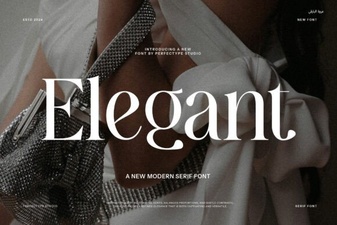 Choosing Elegant Fonts for Beautiful Design Projects
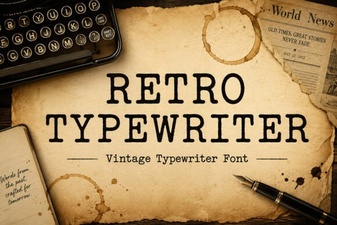 Craft Vintage Charm with Retro Typewriter Fonts
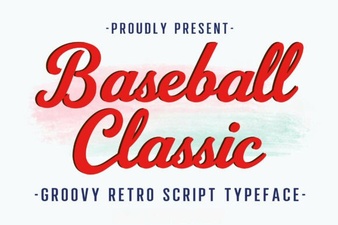 Stylish Baseball Fonts for Sports Design Projects
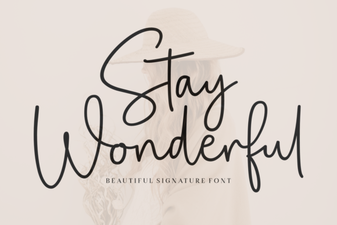 Stay Wonderful Font: Design Tips & Creative Uses
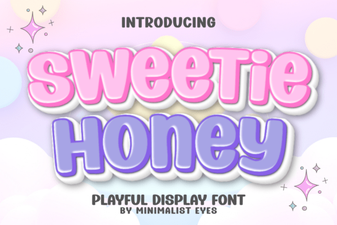 Sweetie Honey Font: Crafting Whimsical Designs
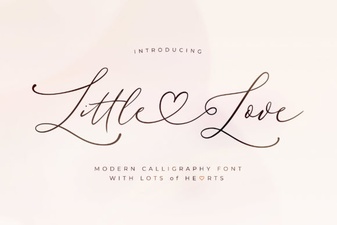 The Little Love Font: Perfect for Handcrafted Projects