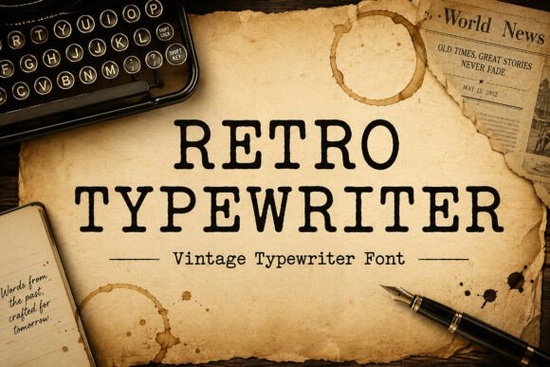
Finding a typeface that balances authentic texture with clean readability takes time. Retro Typewriter Font was built exactly for that gap, offering the familiar mechanical character of old manual typing machines without the heavy distress that makes body text hard to read. If you work in print-on-demand, editorial design, or small business branding, this serif option gives you a reliable starting point for projects that need a grounded, nostalgic feel.
What makes a mechanical-style serif stand out in modern layouts?
The appeal of vintage-inspired lettering comes down to subtle imperfections. Each character in this collection retains slight irregularities in the stroke ends and spacing, which mimic the pressure variations of real ink ribbons and metal type. Those small differences stop digital text from looking too sterile, while the underlying structure stays consistent enough for professional use. When you apply it to book covers, packaging, or poster designs, the result feels collected and intentional rather than artificially aged. You can also adjust tracking and line height to control how dense the text block appears, which helps maintain readability across different sizes.
Where should this typeface be applied for the best results?
Designers and crafters tend to get the most value when they treat it as a display or accent typeface. Because it carries strong visual weight, it works well for short headings, pull quotes, and branded labels. If you are running a shop focused on writer-themed merchandise, historical reproductions, or rustic packaging, this font naturally draws the eye without overwhelming the layout.
Consider these common placements before starting your artwork:
- Vintage posters where bold headlines need to stand out against aged paper textures
- Book covers and editorial spreads that benefit from classic newspaper spacing
- Journals and diary templates that require a handcrafted, personal tone
- Branding materials like coffee shop menus, bakery tags, and boutique signage
- Social media graphics and quote cards meant to stop scrolling with a retro aesthetic
- Print-on-demand items including mugs, t-shirts, and tote bags where crisp edges matter
Which pairing options create balanced page compositions?
A strong display type needs quiet partners to keep layouts from feeling cluttered. For body copy and secondary details, a clean humanist or geometric sans will provide clear contrast while letting the mechanical letters remain the focal point. If you want to explore similar vintage serif options, browsing through the Moon Creme collection can show you how slightly rounded terminals soften historical layouts. On the other hand, when you need sharper contrast for luxury packaging, looking at Elegant font designs helps establish a clear visual hierarchy. The primary download you are reviewing remains the strongest choice when you specifically want that typewriter aesthetic, so checking the full Retro Typewriter series gives you access to the complete character set and styling alternates.
How do you prepare artwork for print and digital use without losing quality?
The biggest mistake beginners make is relying on screen previews when planning physical products. Always convert text to outlines before sending files to print, and keep your base canvas at 300 DPI for merchandise and paper goods. If you are creating social templates or digital downloads, stick to RGB color profiles and export as high-quality PNG files. You can also layer the typeface over scanned paper, kraft textures, or subtle halftone patterns to enhance the period feel. Just remember that legibility always comes before decoration, especially on smaller items like mugs or pillow covers. For a deeper look at historical mechanical lettering standards, reviewing the Retro Typewriter Font reference page can clarify character spacing rules and licensing terms for commercial projects.
Before publishing your next project, run through this quick preparation checklist:
- Verify that the font supports all required glyphs, punctuation, and diacritics for your target audience.
- Test readability at small sizes, then adjust tracking if letters start to touch or feel too loose.
- Convert all text layers to paths or shapes in your design software to prevent missing-font errors during print.
- Check contrast ratios against your background, especially if you plan to sell on print-on-demand platforms.
- Save a flattened preview alongside your editable source file so clients or platforms can view it easily.
Once these steps are complete, you can export your files confidently, knowing the typography will hold up across both screen and physical formats.
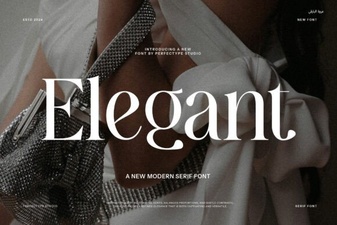 Choosing Elegant Fonts for Beautiful Design Projects
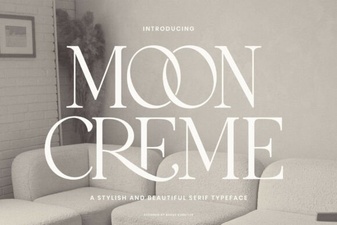 Moon Creme Font: Free Download & Creative Uses
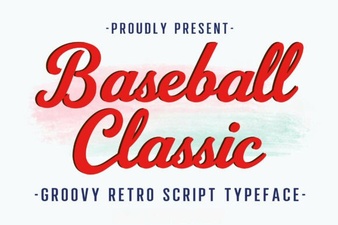 Stylish Baseball Fonts for Sports Design Projects
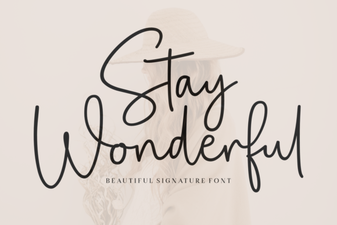 Stay Wonderful Font: Design Tips & Creative Uses
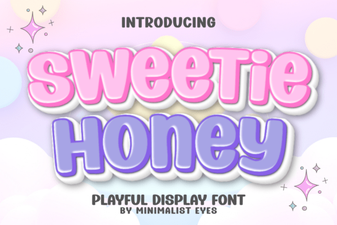 Sweetie Honey Font: Crafting Whimsical Designs
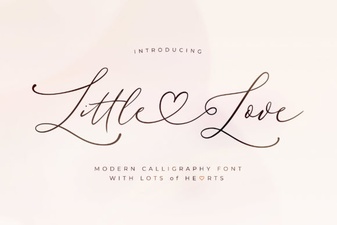 The Little Love Font: Perfect for Handcrafted Projects