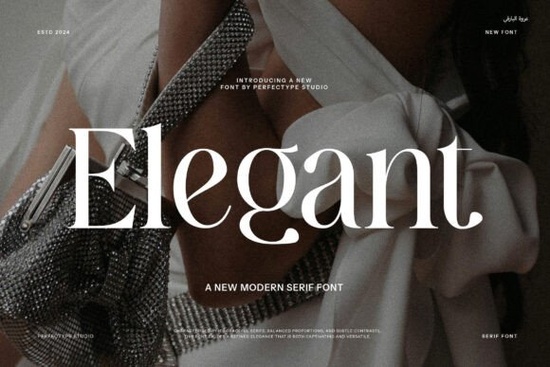
When you are looking for typography that instantly communicates quality and refinement, an Elegant Font often becomes the first choice for both print and digital layouts. These typefaces rely on thin strokes, delicate curves, and smooth transitions to create a polished, high-end feel. If you work in branding, sell print-on-demand products, or craft wedding stationery, choosing a refined type style makes your designs stand out without feeling busy or loud.
Why do thin letterforms work well for premium branding?
Typography that uses light weights and careful spacing tends to read as more expensive because it leaves room for the layout to breathe. Heavy, blocky letters often dominate a page, while thinner typefaces allow supporting graphics and white space to guide the viewer’s eye. For small business owners and freelance designers, this means your logo or product label can feel professional yet approachable. Testing different tracking settings on your actual mockups is the only reliable way to see how the letters hold up on fabric, packaging, or screens.
Many creators start by browsing through a curated collection of refined serif options before settling on a final layout. The graceful transitions found in modern display families naturally improve legibility at both large and small sizes. You will notice that delicate letterforms pair best when you give them adequate line height and avoid crowding them with heavy borders or loud background textures.
What projects benefit most from graceful curves and refined spacing?
If you run an online shop or sell handmade goods, your typography needs to translate well across different materials. Paper items like wedding invitations and thank-you cards benefit most from delicate letterforms that feel special enough to keep as keepsakes. For print-on-demand sellers, apparel tags, mugs, and tote bags look cleaner when the text does not overpower the artwork. Even minimalist wall art sells better when the phrasing feels intentional rather than stamped on.
Choosing the right file formats matters just as much as picking the style. Always work with OpenType files that support proper kerning pairs and stylistic alternates. These small details prevent awkward gaps between letters and keep your final output looking sharp. If you want to compare different stroke weights before committing, checking Elegant Script can help you understand how subtle variations change the overall mood of a layout.
Which type combinations create the most readable layouts?
Pairing a delicate display style with a neutral supporting font follows a simple rule: contrast creates clarity. You want one typeface to handle short headings while the second manages longer paragraphs. Avoid using multiple thin fonts in the same text block, as they can blend together and strain the eyes on mobile screens. Instead, match a graceful headline with a straightforward geometric or humanist sans for body copy.
Here are a few pairing strategies that consistently work well:
- Use a standard regular weight for subheadings to anchor the page while keeping the main title light.
- Increase letter spacing by five to ten percent on all-caps headlines to give delicate characters room to open up.
- Maintain a line height between 1.4 and 1.6 for paragraph text to keep the reading rhythm comfortable.
Many designers find inspiration by looking at established typographic systems, such as combining a classic display with a versatile option like checking out vintage typewriter styles for secondary quotes. The key is to limit your layout to two type families maximum and stick to a consistent size scale throughout the entire project. Overcomplicating the hierarchy usually distracts customers from your core message.
How do you prepare these files for commercial printing?
Before sending any design to a print vendor or uploading it to a marketplace, you need to verify the licensing terms. Standard personal licenses usually restrict resale and commercial distribution, while extended licenses allow you to use the typography on products you sell. Always read the included license document that comes with your download. Some creators also convert decorative text to outlines in vector software to prevent missing font errors at the print shop, though this removes the ability to edit typos later.
Understanding commercial rights upfront saves time and prevents unexpected takedown requests. For designers working on client projects, keeping a simple spreadsheet of purchased fonts, license types, and renewal dates is a reliable way to stay organized and protect your workflow. You can also explore similar creamy serif options to expand your toolkit while maintaining a consistent brand voice.
What should you check before finalizing your design?
Running through a short quality check takes only a few minutes but catches the most common printing mistakes. Focus on alignment, contrast, and readability at actual size rather than on a zoomed-in screen view. Print a small draft on regular paper if possible, or preview your design at one hundred percent scale on your monitor.
Before you publish or send your files, run through this quick checklist:
- Verify that you hold the correct commercial or extended license for your intended use.
- Check kerning and tracking at both large and small sizes to fix awkward spacing gaps.
- Test readability by zooming out to twenty-five percent or holding your phone at arm’s length.
- Convert decorative text to outlines or embed the font properly before exporting PDFs.
- Review your mockups in black and white to ensure the contrast holds without color support.
Take one last look at your layout, make sure your hierarchy clearly guides the viewer, and save a backup of your working file. A thoughtful approach to typography will always pay off when your designs reach real customers.
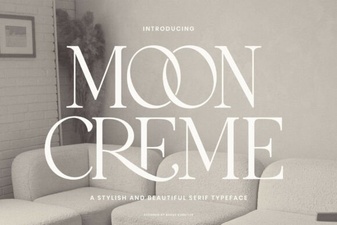 Moon Creme Font: Free Download & Creative Uses
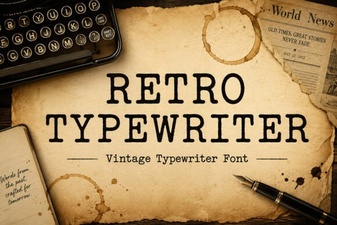 Craft Vintage Charm with Retro Typewriter Fonts
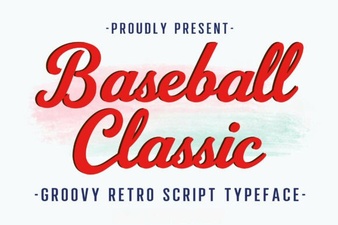 Stylish Baseball Fonts for Sports Design Projects
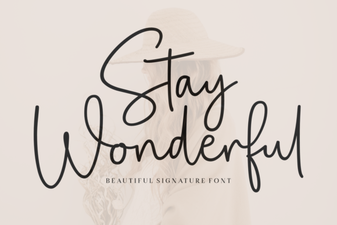 Stay Wonderful Font: Design Tips & Creative Uses
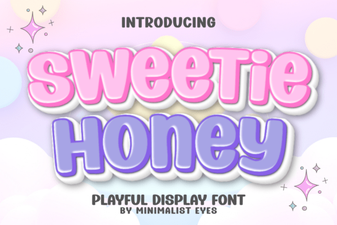 Sweetie Honey Font: Crafting Whimsical Designs
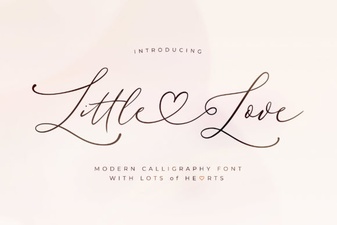 The Little Love Font: Perfect for Handcrafted Projects